Maximizing Safety and Longevity in Storage Tank Production: Finest Practices Disclosed
In the domain name of storage tank manufacturing, the vital to maximize security and toughness has never been a lot more obvious. Best practices encompassing material selection, cutting-edge technologies, and stringent quality assurance are crucial to alleviate risks and enhance operational longevity. The integration of normal examinations and worker training plays a pivotal function in fostering a safety-centric culture. As industry criteria progress, comprehending exactly how these elements interconnect can bring about substantial improvements. What vital approaches might arise as vital in maneuvering the intricacies of modern manufacturing?
Recognizing Material Selection
When it involves storage tank manufacturing, the selection of proper products is vital to guaranteeing toughness, safety, and conformity with market standards. The materials selected must endure different ecological conditions, consisting of temperature level fluctuations, destructive materials, and physical stressors. Usual materials include carbon steel, stainless-steel, and different sorts of polymers, each offering distinct benefits and disadvantages relying on the application.
Carbon steel is favored for its stamina and cost-effectiveness, making it appropriate for a large range of applications. It is at risk to deterioration, necessitating protective finishes or cathodic protection systems. Stainless steel, while a lot more costly, offers premium resistance to corrosion and is perfect for storing aggressive chemicals. However, careful consideration of the specific quality is vital to guarantee compatibility with the stored compounds.
In addition to rust resistance, aspects such as tensile stamina, thermal conductivity, and simplicity of construction should be assessed. Compliance with regulatory standards, such as those established by the American Oil Institute (API) or the American Society for Testing and Products (ASTM), is also critical. Eventually, a detailed understanding of product properties and their communications with kept materials is vital for the risk-free and efficient operation of storage space containers.
Executing Advanced Technologies
Implementing innovative modern technologies in storage tank manufacturing can considerably enhance functional effectiveness and safety. Smart monitoring systems allow real-time data collection, while automated construction methods streamline manufacturing processes. In addition, predictive upkeep tools can assist anticipate tools failures, reducing downtime and maintenance expenses.
Smart Checking Systems
The integration of wise monitoring systems in storage tank manufacturing represents a significant innovation in operational effectiveness and safety and security. These systems take advantage of progressed innovations such as IoT (Net of Points) sensors, real-time data analytics, and cloud computer to provide constant oversight of container problems - Texas Oil & Gas Storage Tank Fabrication Authority. By keeping track of variables such as liquid, temperature level, and pressure levels, manufacturers can spot anomalies early, decreasing the risk of environmental hazards and possible failings
Executing wise surveillance systems permits improved predictive upkeep methods. Instead of adhering to an inflexible maintenance schedule, drivers can use data analytics to establish the suitable times for interventions based upon real tank performance. This not just extends the life of the containers however also lessens downtime and associated prices.
Additionally, smart surveillance systems enhance conformity with regulative criteria. Automated reporting functions can streamline the process of documenting security metrics and ecological impact, guaranteeing that makers continue to be straightened with sector regulations
Automated Construction Methods
Improvements in wise tracking systems lay a strong foundation for the fostering of automated manufacture strategies in storage tank manufacturing - Storage Tank Manufacturing. These strategies utilize sophisticated modern technologies such as robotics, computer numerical control (CNC) machining, and expert system to enhance accuracy, performance, and security throughout the manufacture procedure
Robot systems can carry out recurring jobs with unparalleled accuracy, considerably reducing human mistake and enhancing total item quality. CNC equipments permit for complex layouts and specifications to be executed continually, making sure that each storage tank satisfies stringent industry criteria. The integration of fabricated intelligence makes it possible for real-time data analysis, enhancing the manufacturing procedure by determining traffic jams and recommending renovations.
Additionally, automated manufacture methods contribute to a safer work environment by lessening the need for manual work in harmful conditions. This not only secures employees however additionally minimizes liability for producers. The execution of these technologies promotes a structured operations, decreasing production time and expenses while boosting product longevity.
Predictive Maintenance Equipments
Anticipating maintenance tools stand for a substantial evolution in the operational performance of storage tank manufacturing. By leveraging advanced technologies such as Web of Things (IoT) sensors, equipment learning algorithms, and data analytics, producers can keep an eye on the problem of storage space tanks in real-time. These tools allow the early detection of potential failures, enabling for timely interventions that prevent costly downtimes and improve security.
Executing predictive maintenance involves accumulating data on various indicators, such as stress, resonance, and temperature level degrees. This data is after that analyzed to identify patterns and forecast tools failures before they take place. Subsequently, maintenance can be scheduled at perfect times, reducing unnecessary prices connected with responsive maintenance.
Additionally, anticipating maintenance devices contribute to boosted longevity by making certain that devices runs within its ideal criteria. This not only extends the life-span of tank but additionally lessens the danger of devastating failings, which can lead to ecological risks and economic losses.
Making Sure Quality Assurance Requirements
Quality control criteria are fundamental in the storage tank manufacturing market, making certain that products satisfy safety and security, toughness, and regulatory requirements (Texas Oil & Gas Storage Tank Fabrication Authority). These requirements incorporate a thorough structure that controls every element of the manufacturing process, from resources choice to final product testing. Carrying out strenuous quality assurance steps reduces risks associated with storage tank failings or leakages, which can have severe environmental and economic consequences
Key components of high quality control consist of defined requirements, standardized operating procedures, and normal training for workers. Automated systems can help in monitoring manufacturing procedures, permitting for real-time information collection and analysis. This not just improves the accuracy of the results yet additionally assists in swift corrective activities when inconsistencies take place.
Engaging third-party examination firms can supply an extra layer of assurance, making certain compliance with sector regulations and requirements. Documentation of all quality assurance activities is additionally important, as it offers as a recommendation for audits and continual enhancement campaigns.
Ultimately, adherence to rigid quality assurance requirements cultivates count on amongst stakeholders, consisting of clients and regulative bodies, while advertising a culture of quality within the organization. The integration of these techniques is critical for accomplishing long-lasting success in the storage tank making sector.
Carrying Out Routine Evaluations
While the manufacturing procedure develops a structure for storage tank integrity, conducting regular examinations is important for ensuring continuous conformity with security and efficiency standards. These evaluations serve to determine prospective problems that may arise gradually, such as corrosion, leaks, and structural weaknesses. By implementing a regular inspection schedule, manufacturers can proactively address these concerns prior to they escalate into even more substantial troubles.
Routine assessments need to incorporate both detailed examinations and visual assessments making use of sophisticated innovations, such as ultrasonic testing or radiography. This complex strategy makes it possible for a thorough exam of the storage tank's condition and aids in validating that all components continue to be within regulatory conformity. Paperwork of examination searchings for is crucial, as it provides a historic record that can aid in trend evaluation here and future decision-making.
Moreover, engaging skilled experts for examinations guarantees that experienced eyes are inspecting the containers. Their expertise can result in the recognition of refined defects that might go unnoticed by untrained employees. Ultimately, routine assessments are an essential aspect of storage tank maintenance, adding especially to the longevity and reliability of the tanks, while safeguarding compliance with industry requirements.
Prioritizing Worker Safety Steps
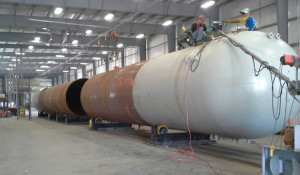
Applying extensive security training programs furnishes workers with the understanding to determine and minimize potential risks. Regular drills and correspondence course reinforce safe practices, ensuring that workers stay alert. Personal protective tools (PPE) should be easily available and strictly applied, consisting of headgears, handwear covers, and respiratory system security, tailored to the specific threats of the manufacturing setting.
Moreover, establishing clear interaction networks fosters a society of safety and security. Employees must really feel equipped to report risky conditions without anxiety of vengeance, promoting aggressive threat administration. Safety audits and incident examinations are vital for recognizing weaknesses in present practices, allowing for continual enhancement.

Environmental Compliance Strategies
Incorporating robust environmental conformity approaches into storage tank manufacturing is vital for decreasing the environmental footprint of procedures. These techniques ought to encompass adherence to environmental guidelines, efficient source management, and lasting materials sourcing.
Firstly, makers must remain abreast of local, nationwide, and international guidelines governing exhausts, waste administration, and water usage - Oil & Gas Storage Tank Fabrication. By employing conformity monitoring systems, companies can assure and track adherence to these guidelines efficiently
Secondly, executing waste reduction strategies is vital. This includes recycling scrap materials, using closed-loop systems for water use, and reducing contaminated materials generation. Such methods not just abide with ecological standards but also improve operational effectiveness and cost-effectiveness.
Furthermore, promoting partnerships with vendors that focus on sustainability warranties that the products made use of in container manufacturing are ecologically pleasant. Making use of products with lower environmental impacts, such as bio-based composites or recycled metals, can greatly boost the sustainability account of items.
Constant Training and Advancement
In the fast-evolving landscape of storage tank manufacturing, constant training and advancement play a necessary function in preserving high standards of quality and safety and security. As modern technology and laws breakthrough, it is imperative that staff members are furnished with updated knowledge and abilities to browse new obstacles successfully.
Carrying out a robust training program warranties that workers are familiar with the current market standards, safety and security procedures, and innovative manufacturing strategies. This not only enhances their private competencies yet likewise cultivates a society of safety and liability within the organization. Normal workshops, on-the-job training, and accreditation training courses can aid staff members remain notified concerning emerging modern technologies and finest techniques.

Moreover, constant growth initiatives can improve staff member engagement and retention. When employees really feel valued and purchased their specialist growth, they are most likely to add positively to the organization's objectives.
Buying constant training and growth ultimately brings about enhanced operational performance, lowered error rates, and increased compliance with regulative criteria. By prioritizing workforce education, storage tank producers can ensure that they stay affordable while maintaining the highest levels of safety and sturdiness in their products.
Often Asked Concerns
What Are the Expenses Connected With Storage Tank Manufacturing?
The expenses connected with storage tank manufacturing include resources, labor, regulatory compliance, transport, and installment. In addition, variables such as layout intricacy, size, and environmental considerations can substantially influence total manufacturing expenditures.
Just How Do Climate Condition Affect Storage Tank Toughness?
Climate condition significantly impact storage tank durability, as severe temperature levels, humidity, and precipitation can bring about product deterioration, corrosion, and architectural failure. Ideal materials and regular analyses are vital to mitigate these damaging impacts.
What Kinds of Insurance Policy Are Needed for Storage Tank Manufacturers?
Just How Can I Select a Reputable Storage Tank Provider?
To pick a trustworthy storage tank provider, review their market experience, product top quality, accreditations, and client testimonials. Furthermore, assess their responsiveness and assistance services to guarantee they line up with your operational demands and safety requirements.
What Are the Typical Lead Times for Storage Tank Production?
Regular lead times for storage tank manufacturing vary based on intricacy, products, and distributor capacity, usually ranging from a few weeks to numerous months. Factors such as style requirements and regulatory demands can also influence timelines considerably.
When it comes to storage space container manufacturing, the choice of appropriate materials is essential to ensuring sturdiness, safety, and conformity with industry requirements. Implementing sophisticated technologies in storage space tank manufacturing can substantially improve functional efficiency and safety and security. Quality control requirements are basic in the storage container manufacturing market, making certain that items meet safety and security, resilience, and regulatory demands. While the manufacturing procedure establishes a structure for storage space tank stability, conducting routine examinations is necessary for ensuring recurring compliance with safety and performance requirements. In the fast-evolving landscape of storage space container manufacturing, continuous training and advancement play an essential function in maintaining high criteria of quality and safety.