Exactly How an Aluminum Foundry Plays a Vital Duty in Various Industries
an Aluminum foundry functions as an essential element throughout several sectors. It gives light-weight and long lasting materials that boost item efficiency. In automotive and aerospace applications, these foundries develop parts that fulfill rigorous criteria while optimizing effectiveness. Customer electronics and building and construction additionally benefit from cutting-edge aluminum styles. Nevertheless, the effect of aluminum foundries extends past just producing. The nuances of their duty in sustainability and recycling are worth discovering even more.
The Process of Aluminum Casting
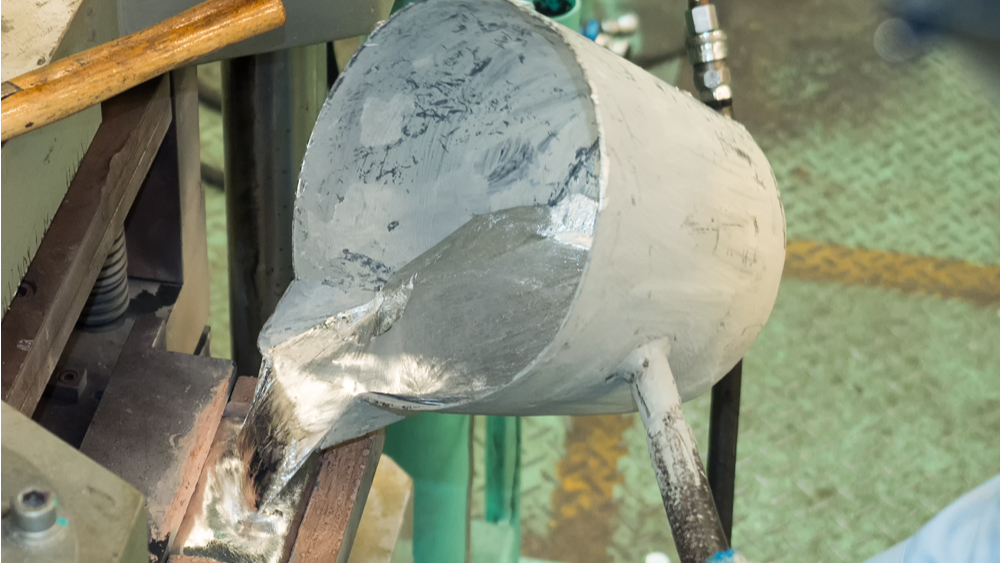
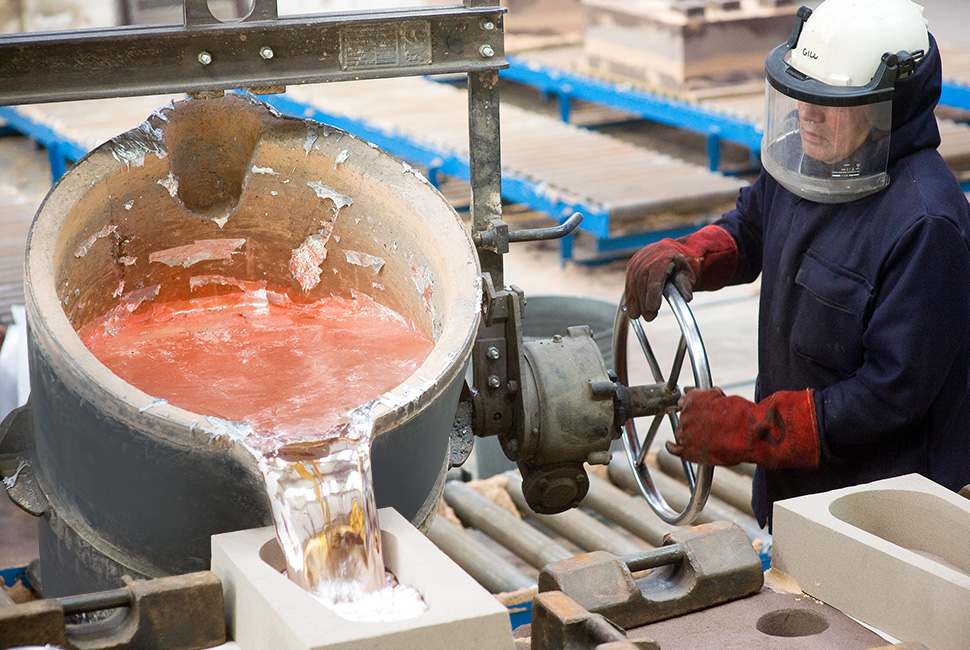
Aluminum casting is a complicated process, it can be broken down right into a number of key phases that ensure the manufacturing of top notch parts. Raw aluminum is thawed in a heater, reaching temperature levels around 1,200 levels Fahrenheit. This molten aluminum can after that be poured into molds made for specific sizes and shapes.
Once put, the steel is allowed to solidify and cool down, creating the wanted part. The following stage involves getting rid of the casting from the mold and mildew, adhered to by a thorough examination to determine any type of problems.
If essential, machining procedures are utilized to accomplish precise measurements and surface area coatings. The completed castings undertake surface area therapies for enhanced longevity and visual appeals. Each of these phases is crucial, as they collectively assure the structural honesty and performance of the last aluminum items, making them ideal for numerous commercial applications.
Applications in the Automotive Sector
Aluminum foundries play a necessary function in the automotive market by creating lightweight parts that boost fuel effectiveness. The material's heat resistance buildings make it ideal for numerous engine components, making certain longevity under severe conditions. Additionally, aluminum's flexibility permits for personalized layout capacities, fulfilling the details demands of contemporary automobile production.
Light-weight Components Manufacturing
The automotive market significantly counts on lightweight parts to improve gas performance and efficiency. Aluminum foundries play an essential duty in this shift by producing top notch aluminum parts that decrease total vehicle weight without compromising stamina. These light-weight components, such as engine blocks, framework, and body panels, add to improved acceleration and handling, making lorries more dexterous - aluminum metal casting. Additionally, making use of aluminum allows for higher style flexibility, enabling manufacturers to create cutting-edge shapes and structures that standard products can not accomplish. As car manufacturers venture to satisfy strict emissions guidelines and consumer demands for greener vehicles, the significance of light-weight aluminum components will remain to expand, strengthening the aluminum foundry's vital placement in the automotive supply chain
Warm Resistance Advantages
Heat resistance is an essential consider automotive applications, particularly for parts based on severe temperatures. Aluminum spreadings from foundries are engineered to stand up to high warm, making them excellent for engine components, transmission housings, and exhaust elements. The capacity to keep architectural integrity under thermal stress boosts efficiency and longevity, minimizing the demand for regular replacements. Additionally, aluminum's light-weight nature adds to overall car performance, which is necessary in modern-day automotive layout. The foundry procedure enables specific alloy make-ups that improve heat resistance, making certain that components can run properly sought after settings. Therefore, aluminum castings not just meet automotive industry requirements however also add to enhanced gas performance and minimized emissions.
Custom-made Style Capabilities
While contemporary automotive designs demand advancement and versatility, custom style capacities used by aluminum foundries play a vital duty in satisfying these needs. These foundries give tailored remedies, enabling manufacturers to produce parts that are lightweight yet resilient. By leveraging sophisticated casting methods, they can create complex forms and frameworks that enhance lorry performance and gas performance. Furthermore, aluminum's intrinsic buildings permit enhanced rust resistance, adding to longer-lasting automotive parts. The capability to personalize layouts likewise facilitates quicker prototyping, allowing automotive engineers to repeat and improve their principles swiftly. This synergy in between foundries and automotive producers cultivates an atmosphere of creative thinking and efficiency, ultimately driving developments in lorry modern technology and layout.
Contributions to the Aerospace Market
The aerospace sector substantially take advantage of aluminum foundries through the manufacturing of light-weight elements that boost fuel effectiveness and efficiency. Precision casting strategies used in this market guarantee that components meet strict aerospace requirements, necessary for safety and dependability. These contributions highlight the crucial role aluminum foundries play in progressing aerospace modern technology.
Lightweight Components Manufacturing
Aluminum foundries play a crucial duty in the aerospace field by creating lightweight parts that improve aircraft effectiveness and efficiency. Using aluminum alloys permits producers to reduce the general weight of airplane without endangering architectural honesty. This decrease in weight adds to improved fuel performance, resulting in reduced operational costs and minimized emissions. Furthermore, light-weight components assist in much better maneuverability and raised haul capacity, necessary variables in contemporary aircraft design. By leveraging innovative casting methods, aluminum foundries can develop elaborate forms and layouts that fulfill the strict safety and performance requirements of the aerospace industry. These foundries are essential to the recurring developments in aerospace innovation, driving development and sustainability in air traveling.
Precision Casting Strategies
How can precision casting strategies transform the aerospace sector? These cutting-edge methods enable the manufacturing of detailed and light-weight components that satisfy rigid performance needs. By using precision casting, suppliers attain a higher degree of detail partly layouts, enabling intricate geometries that were formerly hard to produce. This capacity results in lowered product waste and boosted structural honesty, important for aerospace applications. Additionally, accuracy casting strategies help with the creation of components with premium surface area coatings, image source minimizing the need for considerable post-processing. The effectiveness obtained from these strategies adds to shorter lead times and reduced manufacturing prices, ultimately boosting the competitiveness of aerospace makers. Consequently, accuracy casting becomes a critical procedure ahead of time aerospace why not try here innovation and efficiency.
Aerospace Market Requirements
Specifications in the aerospace market play a substantial function in assuring safety and security, dependability, and performance across various applications. Aluminum foundries add significantly to this industry by sticking to rigorous guidelines established by organizations such as the Federal Air Travel Administration (FAA) and the European Union Air Travel Safety And Security Agency (EASA) These criteria dictate product specifications, screening treatments, and quality control processes that aluminum elements must meet. Compliance with these regulations guarantees that parts, such as airplane structures and engine components, can endure severe problems and anxiety. Additionally, progressed technologies and strenuous assessments in aluminum foundries promote the production of lightweight yet resilient materials, enhancing fuel performance and performance in aerospace styles. Ultimately, these payments are crucial for preserving high safety and security requirements in aviation.
Enhancing Customer Electronics With Aluminum
As customer electronic devices proceed to advance, the combination of aluminum has become increasingly substantial due to its unique buildings. This light-weight metal uses superb thermal conductivity, making it excellent for warm dissipation in tools like smartphones, laptop computers, and video gaming consoles. Additionally, aluminum's high strength-to-weight ratio permits suppliers to design sleeker, extra portable items without jeopardizing toughness.
Aluminum is additionally extremely immune to corrosion, enhancing the durability of customer electronics in different environments. Its pliability makes it possible for complex styles and personalizations, interesting aesthetic choices while maintaining performance. Furthermore, the recyclable nature of aluminum straightens with the expanding need for lasting techniques in electronic devices producing.
Incorporating aluminum not only boosts performance yet likewise offers suppliers with chances for technology. As the industry presses towards more sophisticated innovation, aluminum's duty fit the future of customer electronics remains essential.
The Role of Aluminum in Building And Construction and Infrastructure
Aluminum plays a crucial role in the building and construction and facilities markets, thanks to its lightweight nature and amazing stamina. This steel is regularly utilized in a variety of structural applications, including structures, beams, and columns, which add to the total security and longevity of buildings. Its resistance to deterioration makes aluminum an ideal option for outside frameworks and settings revealed to severe climate condition.
In addition, aluminum's pliability enables building technologies and intricate designs, boosting visual appeal. The product's thermal conductivity plays a significant role in energy-efficient building designs, helping in temperature policy and decreasing energy consumption.
In addition, aluminum's recyclability improves its attractiveness for modern building jobs, as it can be reused without losing high quality. The versatility of aluminum enables engineers and architects to create more secure, extra effective, and lasting infrastructures, strengthening its setting as an essential part in the building market
Sustainability and Recycling in Aluminum Foundries
While lots of markets look for lasting techniques, aluminum foundries are particularly significant for their dedication to recycling and ecological responsibility. Aluminum is just one of one of the most recycled products internationally, with foundries using scrap steel to generate brand-new products. This procedure significantly visit the website decreases energy consumption, as reusing aluminum needs just 5% of the power needed to remove it from raw ore.
Aluminum foundries apply sophisticated modern technologies to decrease waste and discharges. Closed-loop systems are frequently employed to handle water use effectively, while initiatives to reduce carbon impacts are increasingly typical. The emphasis on sustainability not just fulfills governing demands however additionally attract ecologically mindful consumers and companies.

Often Asked Questions
What Precaution Are Executed in an Aluminum Foundry?
Precaution in an aluminum foundry consist of individual protective equipment, ventilation systems, regular security training, emergency situation reaction strategies, threat interaction, devices safety and security methods, and adherence to work health laws to decrease risks and guarantee employee security.
How Does Aluminum Casting Affect Item Resilience?
Aluminum casting greatly boosts product longevity by supplying excellent strength-to-weight ratios, deterioration resistance, and thermal conductivity. These buildings guarantee that actors aluminum components hold up against severe atmospheres and mechanical tension, ultimately prolonging their lifespan and integrity.
What Are the Common Flaws in Aluminum Casting?
Usual flaws in aluminum casting include porosity, shrinkage, incorporations, cold shuts, and surface flaws. These concerns can occur from improper mold layout, poor temperature level control, or contamination, possibly influencing the overall top quality and performance of the last item.
Exactly How Is Quality Assurance Maintained in Aluminum Foundries?
Quality assurance in aluminum foundries is maintained via rigorous examination processes, adherence to market criteria, use of sophisticated innovations, and continuous training of workers to guarantee precision and lessen issues throughout the casting procedure.
What Are the Expenses Related To Aluminum Casting Processes?
The expenses connected with aluminum casting procedures include basic material expenditures, labor prices, equipment maintenance, energy usage, and top quality control procedures (aluminum foundry). These factors jointly affect the general economic investment needed for efficient production
Aluminum foundries play a pivotal role in this shift by creating high-grade aluminum parts that reduce overall car weight without compromising toughness. Aluminum spreadings from foundries are engineered to endure high warm, making them ideal for engine components, transmission real estates, and exhaust parts. While modern-day automotive styles demand development and flexibility, custom design abilities offered by aluminum foundries play a vital duty in satisfying these demands. Aluminum foundries play a critical role in the aerospace market by producing lightweight parts that enhance aircraft efficiency and performance. By leveraging innovative casting strategies, aluminum foundries can develop detailed forms and layouts that meet the stringent security and efficiency requirements of the aerospace market.